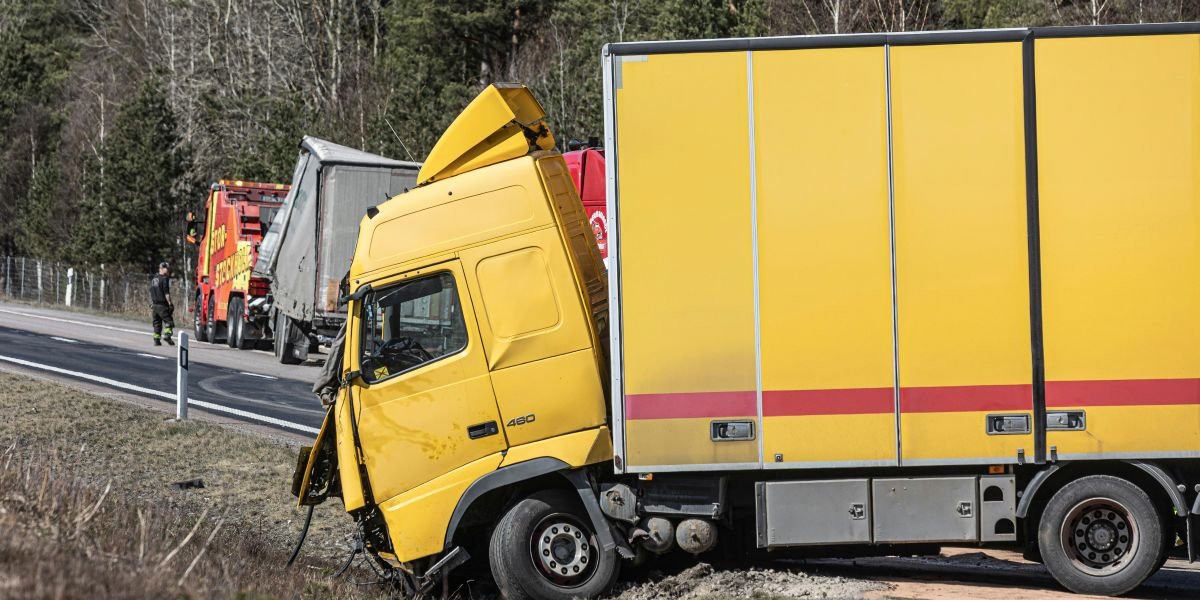

Few sights on the highway are as imposing as a fully loaded commercial truck traveling at a high speed. These vehicles are built to carry enormous weight across long distances, often through changing weather and road conditions. Most of the time, they operate without any problems. However, when a mechanical failure occurs while a truck is in motion, the results can be severe.
Commercial trucks are complex machines made up of thousands of parts. A single malfunctioning component could reduce a driver’s ability to steer, slow down, or maintain control. There are numerous reasons why these breakdowns might happen, and multiple parties may be responsible.
Why Mechanical Failures in Trucks Are So Dangerous
Large trucks weigh much more than passenger vehicles, require longer stopping distances, and depend on specialized systems to keep heavy cargo under control. When a part fails in a standard car, the driver might still be able to pull over safely. When a critical component fails on an 80,000-pound truck, there may be no way to keep it under control.
Mechanical breakdowns can lead to issues such as:
- Loss of braking power
- Tire blowouts at highway speeds
- Detached trailers
- Shifting or falling cargo
- A sudden loss of steering control
Each of these events could place the truck driver at risk, and everyone around them might be affected. The truck accidents that take place after mechanical breakdowns can be devastating.
Tire Failures
Tires on commercial trucks endure a high level of stress. They carry heavy loads, operate for several hours each day, and are exposed to heat, road debris, and uneven surfaces. Over time, wear and tear could weaken the structure of truck tires.
Common tire-related failures include:
- Blowouts: Sudden bursts or explosions might cause a truck driver to lose control, or they could even cause a truck to roll over.
- Tread Separation: When the outer tread detaches from the tire body, a tire may no longer provide traction.
- Underinflation or Overinflation: Improper air pressure can increase the likelihood of overheating and tire failure.
Tire blowouts may cause a truck to swerve unexpectedly. Debris from large truck tires could go flying into nearby lanes. In some cases, a blown tire may damage other truck components, creating additional problems that could lead to truck accidents.
Brake System Failures
Brakes are one of the most critical safety systems on a commercial truck. Unlike most passenger vehicles, many trucks rely on air brake systems. These systems require proper air pressure, functioning valves, and well-maintained brake pads and drums.
Brake-related problems may include:
- Worn Brake Pads or Brake Shoes: The reduced friction when these parts do not function correctly can lengthen a truck’s stopping distance.
- Air Leaks: A loss of air pressure may affect a truck’s braking ability.
- Overheated Brakes: Excessive use of brakes might cause them to be less effective.
If brakes fail while a truck is descending a hill or approaching traffic, the consequences can be catastrophic. When a truck driver cannot slow down quickly enough or come to a complete stop, they might collide with other vehicles from the rear, run off the road, or roll over.
Trailer Coupling Failures
The connection between a truck and its trailer is secured by a coupling system, often called a fifth wheel. This mechanism must be properly locked and inspected before travel. When coupling systems fail, a trailer could detach from a truck’s cab. A loose or improperly secured trailer can drift into traffic, tip over, or block multiple lanes of a highway.
Potential causes of coupling failures include:
- Improper attachment during loading
- Worn or damaged locking mechanisms
- Failure to inspect the connection before departure
Steering System Malfunctions
Steering systems allow drivers to guide large trucks with precision. These systems include steering gears, linkages, hydraulic components, and power steering mechanisms. If a steering component fails, a driver might experience a sudden loss of directional control and difficulty steering, or the steering wheel could lock up. Steering failures can be especially hazardous at highway speeds or in heavy traffic. A sudden loss of control might cause a truck to collide with other vehicles, and it could inflict severe damage.
Engine and Powertrain Issues
Although engine failure might not always lead directly to a collision, it can create dangerous conditions. A truck that suddenly loses power in traffic may slow unexpectedly or stall in a travel lane. In some cases, engines may catch fire, and these fires could potentially damage the vehicles around a truck.
Engine-related breakdowns can result from:
- Overheating due to cooling system problems
- Oil leaks leading to engine seizure
- Fuel system malfunctions
While some engine failures might occur gradually, others can happen abruptly. The sudden failure of an engine without warning could leave a truck driver with no way to pull over and avoid other vehicles.
Suspension System Failures
A truck’s suspension system is responsible for supporting its weight and ensuring that it can maintain stability. This system includes springs, shock absorbers, and other components that absorb impact and distribute load weight. When suspension parts fail, drivers may experience reduced vehicle stability, uneven tire wear, and an increased risk of rollovers.
A damaged suspension system can also affect braking and steering performance. Overloading a truck beyond its rated capacity may place additional strain on suspension components, increasing the likelihood of failure.
Cargo Securement Failures
Commercial trucks often transport heavy cargo. Securing devices such as straps and chains are used to keep loads stable during transit. If cargo is not properly secured, it may shift within the trailer, altering the truck’s balance, or it might fall onto the roadway, damaging other vehicles or creating obstacles that could cause accidents. An unsecured load may potentially cause a trailer to roll over or jackknife.
Who May Be Responsible for Mechanical Failures That Lead to Truck Accidents?
Determining responsibility for a truck breakdown that leads to an accident might require a detailed investigation. Several parties may be determined to be responsible, including:
- Trucking Companies: These companies are responsible for maintaining vehicles, conducting inspections, and ensuring safe operations. Their failure to do so could lead the parts on a truck to break down.
- Truck Drivers: Pre-trip inspections must be performed, and mechanical concerns must be reported. Oversight may cause mechanical problems to go unnoticed.
- Maintenance Providers: Mechanics who provide service may be liable if repairs were performed improperly, causing parts to fail.
- Manufacturers: Companies that create parts could be responsible if a defective part caused a truck accident.
- Cargo Loaders or Shippers: These companies may be liable when improper loading or securement of cargo leads to instability.
The Importance of Truck Maintenance and Oversight
Commercial trucks often travel hundreds of miles each day and thousands of miles each month. Regular inspections and timely repairs are essential to keep these vehicles safe. When parts fail while a truck is transporting cargo, the consequences can extend far beyond a simple roadside breakdown. Mechanical failures in a large truck may lead to a serious accident in seconds.
People who have been injured in truck accidents caused by faulty parts or poor maintenance might be able to take steps to address the harm they have suffered. A truck accident attorney can review a case and help a person understand their legal options.
Disclaimer: The information provided in this article is for general informational purposes only and is not intended as legal advice. While we strive to provide accurate and up-to-date information, the content may not reflect the most current legal standards or developments. No attorney-client relationship is formed by reading or interacting with this content. For legal advice specific to your situation, you should consult with a qualified attorney.