
By: KeyCrew Media
Stephen Keighery’s counterintuitive strategy: the worse the property looks, the better the opportunity. His approach to distressed real estate reveals how value is actually created in Louisiana’s complex housing market.
Most real estate investors want properties in pristine condition. Stephen Keighery actively avoids them. Through Home Buyer Louisiana, he’s completed over 200 deals by seeking out exactly what others reject: houses with structural issues, properties trapped in legal complications, and homes in conditions that make traditional buyers walk away immediately.
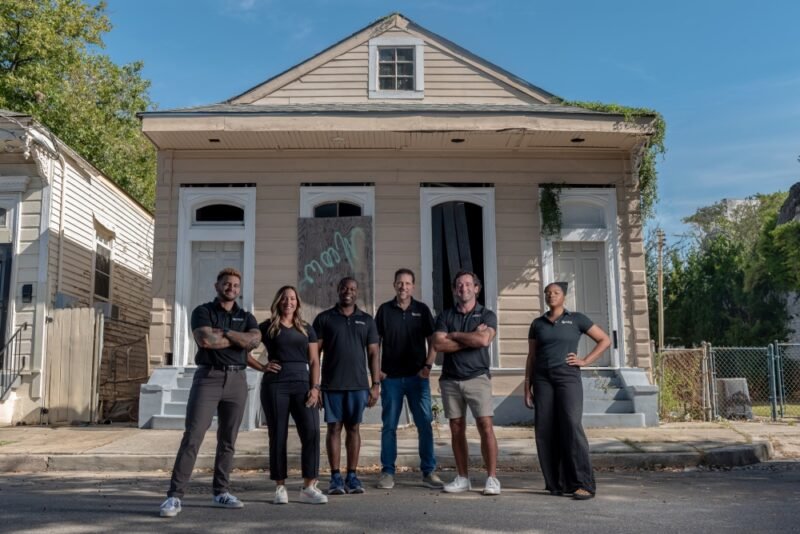
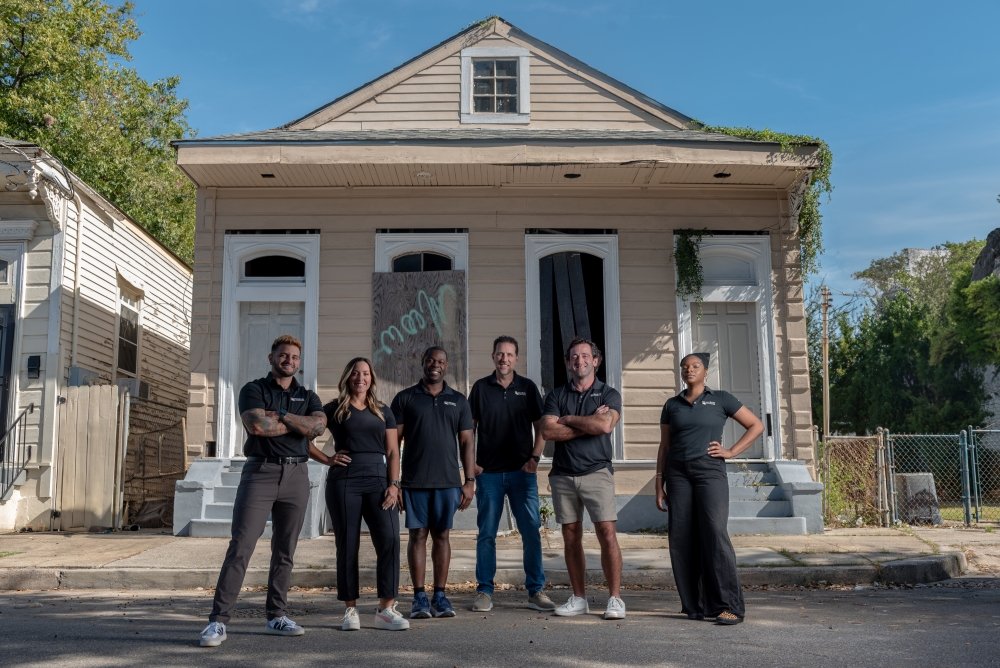
Photo Courtesy: Home Buyer Louisiana
It’s not contrarian for the sake of being different. It’s a calculated strategy based on understanding where real value comes from in real estate investing.
The Economics of Distressed Properties
“We don’t buy houses that are beautiful because that’s for a homeowner,” Keighery explains bluntly. “I can’t add value.” Once a property is fully renovated with updated systems and modern finishes, there’s no margin left for an investor. The value has already been captured by whoever did the work.
Distressed properties operate on different economics entirely. A house with decades of deferred maintenance, outdated electrical systems, and cosmetic damage can be purchased significantly below market value. But the gap between purchase price and post-renovation value creates the opportunity for profit. More importantly, it creates the opportunity to solve real problems for sellers who need solutions, not just offers.
This is where Keighery’s background, scaling Hipages Group to an ASX listing in Australia, becomes relevant. He understands two-sided marketplaces and how value gets created by connecting parties with complementary needs. Distressed sellers need quick, reliable closings and often can’t afford repairs. Investors with capital and renovation expertise need properties where they can add value. The connection solves problems for both sides.
What Others See as Barriers
Louisiana’s real estate market presents challenges that amplify the distressed property opportunity. Succession issues where families haven’t properly transferred ownership across generations. Title problems from Hurricane Katrina’s aftermath, when records were lost, or heirs disappeared. Storm damage creates properties that appear uninsurable.
National investors and larger players struggle with these complications. “It’s really hard for them to come in,” Keighery notes about outside competition. “You need a bit of local knowledge.” The barriers that keep others out create sustainable competitive advantage for investors who develop the expertise to navigate them.
Keighery has built systematic capabilities around these challenges. His team works with succession attorneys to clear complex estate issues. They’ve developed relationships with title companies that specialize in resolving disputed ownership. They understand which properties can be insured after repairs and which local markets will support the renovated values they need to hit their returns.
These aren’t skills learned from books or real estate courses. They’re hard-won knowledge from hundreds of transactions in Louisiana’s unique legal and physical environment.
The Human Element
But Keighery’s focus on distressed properties isn’t purely financial calculation. These houses connect to human stories that conventional real estate transactions miss entirely.
“People would be surprised at just some of the situations people are in,” Keighery observes with genuine empathy. He’s purchased properties where families lived without utilities after a parent’s death, unable to afford repairs but with nowhere else to go. He’s worked with heirs scattered across different states, each processing grief differently while trying to settle an estate. He’s helped sellers trapped by properties they inherited but can’t maintain.
“We don’t judge,” Keighery emphasizes. “We enjoy helping them move on, getting them a cash offer so they can turn that asset into cash.” This perspective changes how acquisitions happen. Instead of pressuring desperate sellers or exploiting information gaps, Keighery’s team focuses on solving genuine problems. The profit comes from adding value through renovation and neighborhood improvement, not from squeezing sellers.
The Details That Matter
Walk through a severely distressed property with Keighery, and you’ll see something unexpected. While others notice only problems, he immediately identifies the architectural details that make New Orleans properties special. “We see the old fireplaces, we see the details that are great because we see the vision of what it will be,” he explains.
Those original heart pine floors are buried under damaged carpet. The crown molding is hidden by layers of paint. The high ceilings and large windows are characteristic of historic New Orleans homes. These elements have a value that the current condition obscures. Homeowners shopping for move-in-ready properties will pay premium prices for authentically restored historic features. Investors who can see past current damage to recognize those features gain significant advantages.
This isn’t just aesthetic appreciation. It provides economic insight about what creates value in specific markets. New Orleans buyers value historic character differently from buyers in newer suburban developments. Understanding these local preferences allows Keighery to make renovation decisions that maximize returns while respecting what makes neighborhoods distinctive.
Creating Value Beyond Transactions
Perhaps the most significant aspect of Keighery’s distressed property focus is how it aligns business success with community benefit. “When you take those houses that are like that and revitalize them, it fixes the whole area up,” he notes.
Abandoned or severely neglected properties drag down entire blocks. They attract vandalism, reduce neighboring property values, and signal neighborhood decline. Systematic renovation reverses these dynamics. Each restored property improves the visual environment, increases surrounding home values, and demonstrates neighborhood investment.
This creates a virtuous cycle for investors focused on specific areas. As Home Buyer Louisiana renovates multiple properties in the same neighborhoods, each successive project benefits from the improvements made by previous ones. Property values rise, making renovation economics more favorable. The company’s reputation grows, bringing more deal flow from sellers who want to work with investors they trust.
The Expansion Strategy
Home Buyer Louisiana has expanded from New Orleans to Baton Rouge, Lafayette, and the Mississippi Gulf Coast, using this distressed property focus. The strategy transfers across markets because the fundamental dynamics remain consistent. Every region has properties others won’t touch and sellers who need solutions rather than just offers.
“We want to give the same level of local expert opinions in those other areas,” Keighery explains regarding growth plans. The expansion prioritizes depth over speed, ensuring the team develops genuine local expertise in each market before moving to the next.
In five years, Keighery envisions comprehensive Southern coverage, helping more homeowners transition out of difficult situations while revitalizing neighborhoods across the region. Its growth is built on buying what others reject and seeing potential where others see only problems.
Disclaimer: The information provided in this article is for general informational purposes only. Real estate investments involve significant risks, and readers should consult with qualified professionals before making any financial decisions or engaging in property transactions.