The 50th Atlanta Film Festival Just Dropped Its Full Lineup — 154 Films, Legacy Screenings, and Atlanta’s Biggest Cinema Moment in Decades

Fifty years is not a milestone most film festivals reach. The Atlanta Film Festival just did — and it is celebrating with the kind of programming that makes you remember why independent cinema matters in the first place.

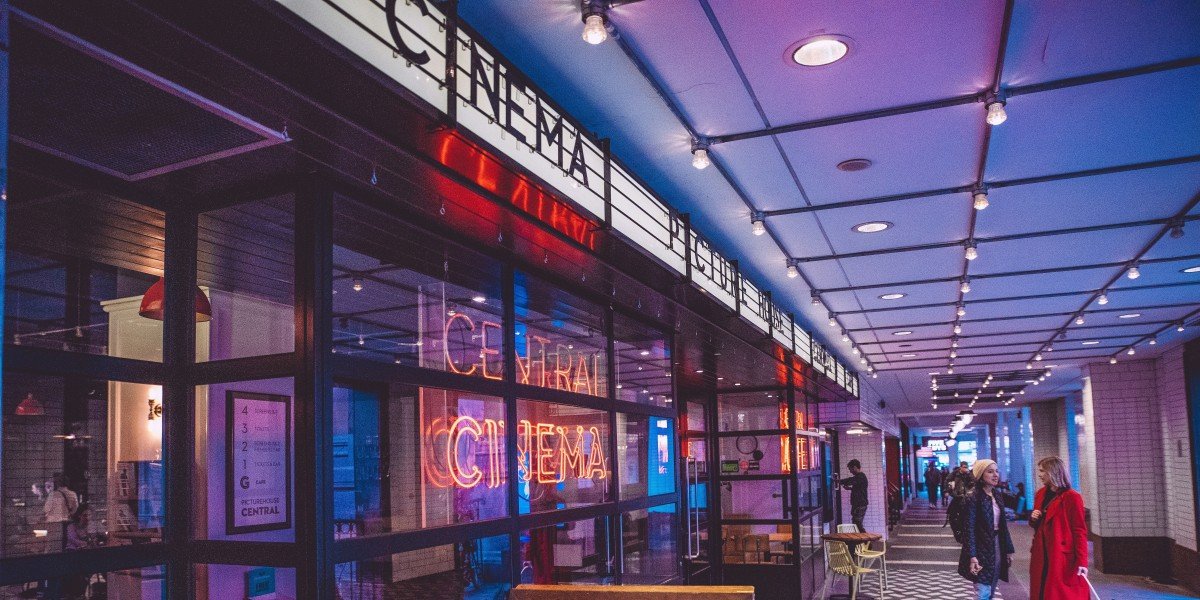
The 50th annual Atlanta Film Festival and its 16th annual Creative Conference will kick off on April 23, running through May 3 at the Plaza Theatre and the Tara Theatre in Atlanta, with virtual screenings of selected films available from May 4 through May 11. For Atlanta’s creative community — filmmakers, cinephiles, industry professionals, and culture lovers alike — this is the event of the season.

154 Films, 5,500+ Submissions, and the Most Georgian Lineup Ever

Programmers whittled the 2026 roster down from more than 5,500 submissions, mixing distributor-backed features with Georgia-made projects and work from emerging filmmakers. The result is 154 official selections spanning narrative features, documentaries, shorts, and episodic content — a slate that reflects both the scale of the festival and the depth of its curation.

One-third of the films in this year’s lineup have Georgia connections — the highest percentage in the festival’s 50-year history. Executive director Christopher Escobar noted at the preview party at the Tara Theatre: “We normally have 20-25% with local ties, so to have that much from Georgia is gratifying.” That statistic tells a larger story about how Atlanta has grown into one of the country’s most significant production hubs — and how the Atlanta Film Festival has become the institution that champions the work coming out of it.

As Escobar put it in the announcement release: “This year’s programming honors that legacy while also looking ahead — spotlighting bold new choices, groundbreaking stories, and the next generation of storytellers and filmmakers shaping the future of the industry.”

The Marquee Films Worth Circling Now

At the top of the bill are new offerings from Lionsgate, Magnolia Pictures, Focus Features, and Janus Films, including Rose of Nevada, Power Ballad, Obsession, I Want Your Sex, and Caroline.

Gregg Araki’s I Want Your Sex, which premiered at this year’s Sundance Film Festival, is among the marquee titles. Power Ballad from director John Carney stars Paul Rudd and Nick Jonas. And The Brittney Griner Story, director Alex Stapleton’s documentary about the Atlanta Dream center’s detention in Russia, brings a story with deep local resonance to the big screen.

The festival is also headlined by the Willem Dafoe-starring Late Fame and will include the documentary Bo Legs: Marvin Arrington, Sr., An Atlanta Story, about the Atlanta civic icon.

One of the most emotionally charged special presentations of the anniversary year: a screening of Clint Eastwood’s 2019 film Richard Jewell — about the security guard who helped evacuate crowds during the 1996 Centennial Olympic Park bombing — attended by the film’s star, Paul Walter Hauser, taking place just under 30 years after the explosion. In a city that lived through that moment, this one is going to hit different.

Legacy Screenings: Atlanta’s Film History on the Big Screen

The 50th anniversary programming does not just look forward — it looks back, hard, at everything that brought Atlanta to this moment in cinema.

The festival will present a special selection of legacy screenings featuring films that helped shape Atlanta’s film landscape. James Ponsoldt, an Athens native and one of the first Atlanta Film Festival Screenplay Competition winners, will appear alongside a screening of his 2013 film The Spectacular Now. Julie Dash will appear alongside her 1991 film Daughters of the Dust, which was filmed in the Sea Islands of Georgia. Craig Zobel, who grew up in Atlanta, will screen his 2007 breakthrough Great World of Sound. Georgia native Ray McKinnon will appear alongside a screening of his 2001 short film The Accountant.

Emmy Award-winning actress and producer Carrie Preston will also appear at screenings during the festival. These are not passive screenings — they are conversations between Atlanta’s film history and its future, with the people who made that history in the room.

The Creative Conference: Industry Access for Atlanta’s Next Generation

This is the festival’s 16th year holding its Creative Conference, an educational programming series for filmmakers. This year, the conference will feature 36 in-person and 14 virtual events including panels, workshops, and presentations.

For any Atlanta filmmaker, filmmaker-in-training, or industry professional looking to connect with distributors, mentors, and peers, this is the most accessible version of that infrastructure the city has built. The Creative Conference has helped launch careers for over a decade — and at 50, it is only more comprehensive and more connected.

SOUND+VISION at The Goat Farm Is Back

If the film screenings are the festival’s heartbeat, SOUND+VISION is its pulse. For its 50th anniversary, the Atlanta Film Festival is bringing back its signature event, SOUND+VISION at The Goat Farm — an immersive evening of live music, virtual reality, art installations, and standout music videos. The event takes place on April 30, from 6 to 11 PM.

The Goat Farm Arts Center is one of Atlanta’s most storied creative spaces, and SOUND+VISION turns a single festival night into a full sensory experience — the kind of night ATL’s creative community will be talking about long after it ends.

One of Only 24 Oscar-Qualifying Festivals in the U.S.

It is worth remembering the weight of what the Atlanta Film Festival carries institutionally. ATLFF is one of only 24 Academy Award-qualifying festivals in the U.S., with qualifying status in all three short film categories: live-action short, animated short, and documentary short. Winners in those categories may qualify for Oscar shortlist consideration. For independent filmmakers, submitting to and winning at ATLFF is not just a local achievement — it is a career-defining moment.

The festival draws an audience exceeding 28,000 annually, placing it among the largest film events in the Southeast.

Badges and individual tickets for the 50th Atlanta Film Festival are on sale now at atlantafilmfestival.com. The full lineup is live on the festival’s Eventive page.

Dr. Jennifer Barkin Redefines Postpartum Care by Focusing on Mothers’ Daily Functioning and Resilience

By: Nicole Wright

How do we measure motherhood beyond symptoms and diagnoses? For years, postpartum care has centered on identifying key mood symptoms (i.e., feelings of overwhelm, lack of enjoyment) in new mothers. Dr. Jennifer Barkin, a psychiatric epidemiologist, says additional questions need to be asked: “In addition to mood symptoms, we need to find out how the mother is functioning day to day and support her so she can function optimally and in a way she is proud of in the context of new motherhood. Ideally, healthcare professionals would work with mothers to identify functional deficits and support the mother in achieving optimal daily functioning. Maternal self-care is an often overlooked yet critical part of emotional wellness, and it can (and perhaps should) look different for everyone. Resources play a role here, and not everyone has equal access to them. Yoga and spa treatments are wonderful, but not everyone can afford them. Self-care can, and should, take on many forms.”

Barkin is a professor, inventor/researcher, and the Associate Dean for Research at East Carolina University’s (ECU) College of Health and Human Performance. She developed the Barkin Index of Maternal Functioning (BIMF) during her doctoral studies at the University of Pittsburgh’s School of Public Health. The BIMF is a 20-item self-report measure of postpartum maternal functioning that covers seven domains and yields a score from 0 to 120. The measure includes questions such as “I am getting enough adult interaction” and “I make good decisions about my baby’s health and well-being.” It is unique in that it centers the patient’s perspective in defining what a good-functioning day looks like.

Can you describe some transformational moments in your career?

There have been many. One that stands out in terms of the BIMF’s trajectory was its first licensing in industry-sponsored trials, which was a game-changer for both my career and the measure. Working across sectors (and globally) to implement the BIMF and analyze the results is an invaluable and continual learning process for me. For example, I am working with a multidisciplinary team from Fundación Naceran (and its collaborating organizations) in Santiago, Chile, who are doing incredible work in this area.  Fundación Naceran is a non-profit organization dedicated to providing specialized health and educational services for maternal and perinatal well-being. They are working to pilot and validate the BIMF in their population of new mothers.”

What led you to focus on maternal functioning rather than traditional mental health measures?

Honestly, I was looking for a dissertation topic focused on mental health. My mentors at Pitt pointed out that while there were validated, existing assessments for depression and anxiety, little was known about how to define, measure, and improve postpartum maternal functioning. The BIMF is the very first step in identifying functional deficits that should be addressed to help mom feel better about the flow of her day. The long-term goal would be for the BIMF to have a companion treatment where healthcare professionals help mom optimize her daily functioning, including maternal self-care. Sort of like occupational therapy, but specifically for the postpartum period.  

How has leadership influenced your growth professionally?

I aim to create an environment where my staff and mentees feel supported, trusted, and empowered to take smart, calculated risks. Their success shouldn’t threaten me, and vice versa; there is too much insecurity and ego floating around in the professional world. If my mentees outperform me, that is the ultimate sign of my own success and impact; it is a circular feedback loop.

What advice would you give to young female professionals?

Take smart, calculated risks and align yourself with talented, supportive colleagues and mentors; that is where the growth is. Have the discipline to sideline your ego in order to learn. Be strategic in how you apply your time and energy. Also, you can have a thriving career and still be a good mother, though I will admit, it is challenging to maintain that balance.

What projects are you the most excited about right now in women’s health?

In addition to my ongoing work in postpartum functioning, I’m a member of the Maternal Health Vitality Think Tank (MHVTT), convened by the Georgia Health Initiative. The MHVTT is unique in that it works towards coordination and improvement of the maternal health systems across the state of Georgia.

Most recently, we released a commissioned report examining Georgia’s maternal health financing mechanisms and identifying the gaps in committed resources. I suspect that this report will be widely cited across a variety of settings (academic contexts, policy forums, and the non-profit world) and may even be a catalyst for attracting additional resources to the state.

At the heart of Dr. Jennifer Barkin’s work is a commitment to seeing mothers as whole people, not just patients defined by symptoms or diagnoses. Her research continues to reinforce a simple but powerful idea: when we better understand how mothers function in daily life, we can offer support that is more practical, more compassionate, and better aligned with what they truly need during the postpartum period.


Disclaimer: This article is for informational purposes only and is not intended to provide medical advice. For personalized medical guidance or concerns, please consult a healthcare professional.

Creative Recharge: Simple Art & Movement Hobbies for Daily Mindfulness

Today, finding ways to recharge and maintain a sense of balance is essential for overall well-being. As work-life boundaries blur, many people are turning to creative hobbies to help them unwind and refresh their minds. Whether it’s through art, movement, or mindfulness, individuals are discovering new outlets that not only offer relaxation but also contribute to personal growth and fulfillment. These creative hobbies provide a chance to disconnect from daily stresses, enhance mental clarity, and reconnect with oneself in meaningful ways. In this article, we will explore how art, movement, and mindfulness are helping residents recharge and find more joy in their daily lives.

The Power of Art: Expressing Yourself Creatively

Creative Recharge: Simple Art & Movement Hobbies for Daily Mindfulness

Photo Credit: Unsplash.com

Art has long been recognized as a therapeutic tool for self-expression and mental rejuvenation. Whether through painting, drawing, sculpture, or photography, engaging in creative activities allows individuals to channel their emotions and thoughts into tangible creations. This form of expression serves as an emotional outlet, helping people process their feelings and gain clarity.

For many, art becomes a space for personal exploration, where they can step away from the demands of their routines and focus on the present moment. Unlike other hobbies that may be goal-oriented, artistic pursuits allow individuals to enjoy the process itself rather than fixating on the end result. This focus on the journey can lead to a sense of accomplishment and relaxation that is hard to achieve through more traditional activities.

Moreover, art can help people manage stress. The act of painting, sketching, or even crafting allows the brain to enter a state of flow, where individuals are fully absorbed in their activity. In this state, the mind experiences a natural reduction in stress hormones, promoting a sense of calm and peace. For residents who may feel overwhelmed by the demands of daily life, engaging in artistic pursuits can be a deeply soothing and restorative way to recharge.

Movement-Based Hobbies: Energizing Your Body and Mind

Movement is another powerful tool for recharging, and it offers a variety of ways to rejuvenate the body and mind. Physical activities like yoga, dance, hiking, or even walking provide opportunities to connect with one’s body and release built-up tension. These hobbies have the unique ability to help individuals not only stay physically active but also tap into the mental benefits of exercise.

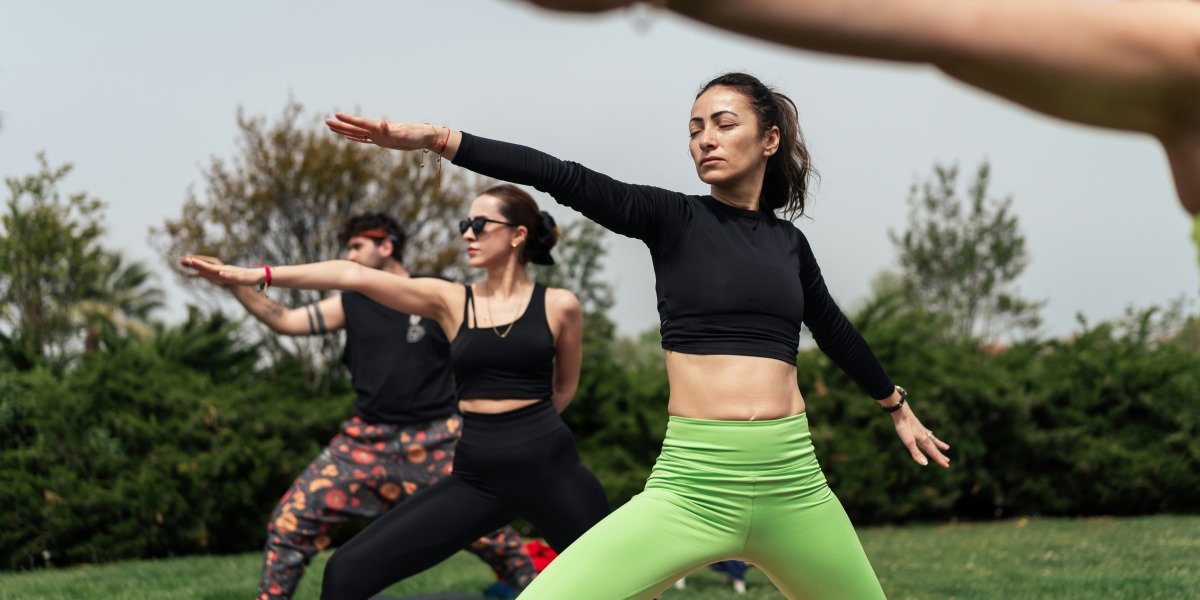
Yoga, for example, is a practice that combines both movement and mindfulness. Through controlled breathing and deliberate poses, yoga encourages participants to slow down and be present in their bodies. It can help residents unwind, increase flexibility, and reduce stress while also fostering a sense of mindfulness. The rhythmic movement of yoga encourages participants to focus on their breath and the sensations within their body, which promotes relaxation and mental clarity.

Dance is another form of movement that combines artistic expression with physical energy. Whether in a formal dance class or a casual home setting, dancing helps release endorphins, the body’s natural “feel-good” chemicals. The rhythm and flow of movement allow individuals to let go of stress and connect with their inner rhythm. Dance also encourages creativity, as people explore different ways to move and express themselves through their bodies.

For those who prefer outdoor activities, hiking or walking through nature can offer a sense of tranquility and rejuvenation. The act of walking allows people to engage in low-impact exercise while also enjoying the calming effects of nature. Research has shown that spending time in nature reduces cortisol levels, the hormone associated with stress, and enhances overall mood. Whether alone or with others, movement-based hobbies in nature can help residents recharge both physically and mentally.

Mindfulness Practices: Finding Peace Through Presence

Creative Recharge: Simple Art & Movement Hobbies for Daily Mindfulness

Photo Credit: Unsplash.com

Mindfulness is a practice that focuses on cultivating awareness and presence in the moment. It has become a popular way for individuals to slow down and find peace amidst the chaos of daily life. While mindfulness is often associated with meditation, it can also be practiced in various creative and everyday activities, such as mindful eating, mindful walking, or even mindful cleaning.

Mindfulness practices are particularly valuable because they teach individuals to pay attention to their thoughts, feelings, and sensations without judgment. This non-judgmental awareness fosters a sense of acceptance and peace, helping people release anxiety and find clarity in their thoughts. By focusing on the present moment, residents can cultivate a greater sense of gratitude and reduce feelings of overwhelm.

Mindful meditation, in particular, has gained significant popularity as a way to recharge. Sitting in stillness and focusing on the breath encourages a deep sense of relaxation and mental clarity. Studies have shown that regular meditation can reduce symptoms of anxiety and depression, improve focus, and enhance emotional regulation. For residents looking to recharge, taking just a few minutes each day to meditate can make a significant difference in their overall well-being.

Finding the Right Hobby: A Personal Journey

The beauty of creative hobbies lies in their diversity. What works for one person may not necessarily work for another, and that’s what makes these activities so valuable. Each individual must discover the creative outlet that resonates with them, whether it’s through art, movement, or mindfulness practices.

For some, engaging in art provides an emotional release and a way to express their inner world. For others, movement through dance or yoga offers a refreshing physical outlet that also connects the mind and body. Mindfulness practices, on the other hand, provide the opportunity to quiet the mind and achieve mental clarity, especially for those who need a break from constant activity and noise.

Ultimately, the key to recharging is finding a hobby that brings joy, peace, and balance. These creative practices offer much more than just relaxation; they offer opportunities for personal growth, emotional healing, and mental clarity. For residents looking to create more harmony in their lives, integrating creative hobbies into their daily routines can make a profound impact on their overall well-being.

Creative hobbies are not just a way to pass the time—they are essential tools for recharging, personal growth, and emotional well-being. Whether through art, movement, or mindfulness, residents are discovering that these practices offer far more than relaxation; they provide opportunities to reconnect with themselves and improve their overall quality of life. In today’s busy world, taking the time to engage in creative hobbies can help individuals recharge, refocus, and find more peace and joy in their everyday routines.