Today, finding ways to recharge and maintain a sense of balance is essential for overall well-being. As work-life boundaries blur, many people are turning to creative hobbies to help them unwind and refresh their minds. Whether it’s through art, movement, or mindfulness, individuals are discovering new outlets that not only offer relaxation but also contribute to personal growth and fulfillment. These creative hobbies provide a chance to disconnect from daily stresses, enhance mental clarity, and reconnect with oneself in meaningful ways. In this article, we will explore how art, movement, and mindfulness are helping residents recharge and find more joy in their daily lives.
The Power of Art: Expressing Yourself Creatively

Photo Credit: Unsplash.com
Art has long been recognized as a therapeutic tool for self-expression and mental rejuvenation. Whether through painting, drawing, sculpture, or photography, engaging in creative activities allows individuals to channel their emotions and thoughts into tangible creations. This form of expression serves as an emotional outlet, helping people process their feelings and gain clarity.
For many, art becomes a space for personal exploration, where they can step away from the demands of their routines and focus on the present moment. Unlike other hobbies that may be goal-oriented, artistic pursuits allow individuals to enjoy the process itself rather than fixating on the end result. This focus on the journey can lead to a sense of accomplishment and relaxation that is hard to achieve through more traditional activities.
Moreover, art can help people manage stress. The act of painting, sketching, or even crafting allows the brain to enter a state of flow, where individuals are fully absorbed in their activity. In this state, the mind experiences a natural reduction in stress hormones, promoting a sense of calm and peace. For residents who may feel overwhelmed by the demands of daily life, engaging in artistic pursuits can be a deeply soothing and restorative way to recharge.
Movement-Based Hobbies: Energizing Your Body and Mind
Movement is another powerful tool for recharging, and it offers a variety of ways to rejuvenate the body and mind. Physical activities like yoga, dance, hiking, or even walking provide opportunities to connect with one’s body and release built-up tension. These hobbies have the unique ability to help individuals not only stay physically active but also tap into the mental benefits of exercise.
Yoga, for example, is a practice that combines both movement and mindfulness. Through controlled breathing and deliberate poses, yoga encourages participants to slow down and be present in their bodies. It can help residents unwind, increase flexibility, and reduce stress while also fostering a sense of mindfulness. The rhythmic movement of yoga encourages participants to focus on their breath and the sensations within their body, which promotes relaxation and mental clarity.
Dance is another form of movement that combines artistic expression with physical energy. Whether in a formal dance class or a casual home setting, dancing helps release endorphins, the body’s natural “feel-good” chemicals. The rhythm and flow of movement allow individuals to let go of stress and connect with their inner rhythm. Dance also encourages creativity, as people explore different ways to move and express themselves through their bodies.
For those who prefer outdoor activities, hiking or walking through nature can offer a sense of tranquility and rejuvenation. The act of walking allows people to engage in low-impact exercise while also enjoying the calming effects of nature. Research has shown that spending time in nature reduces cortisol levels, the hormone associated with stress, and enhances overall mood. Whether alone or with others, movement-based hobbies in nature can help residents recharge both physically and mentally.
Mindfulness Practices: Finding Peace Through Presence
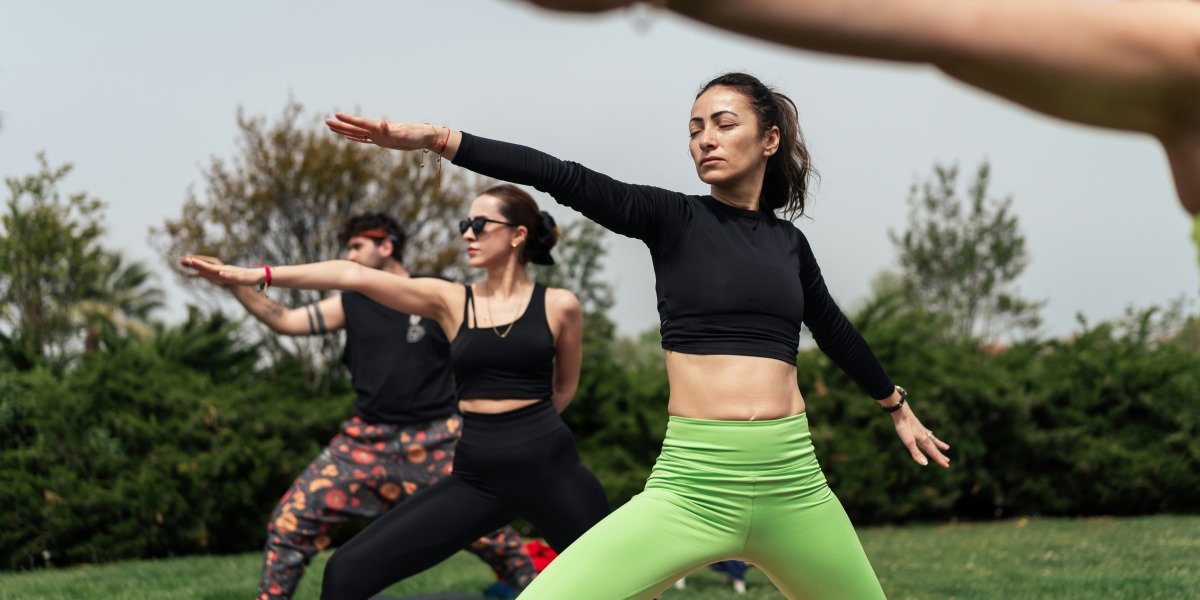
Photo Credit: Unsplash.com
Mindfulness is a practice that focuses on cultivating awareness and presence in the moment. It has become a popular way for individuals to slow down and find peace amidst the chaos of daily life. While mindfulness is often associated with meditation, it can also be practiced in various creative and everyday activities, such as mindful eating, mindful walking, or even mindful cleaning.
Mindfulness practices are particularly valuable because they teach individuals to pay attention to their thoughts, feelings, and sensations without judgment. This non-judgmental awareness fosters a sense of acceptance and peace, helping people release anxiety and find clarity in their thoughts. By focusing on the present moment, residents can cultivate a greater sense of gratitude and reduce feelings of overwhelm.
Mindful meditation, in particular, has gained significant popularity as a way to recharge. Sitting in stillness and focusing on the breath encourages a deep sense of relaxation and mental clarity. Studies have shown that regular meditation can reduce symptoms of anxiety and depression, improve focus, and enhance emotional regulation. For residents looking to recharge, taking just a few minutes each day to meditate can make a significant difference in their overall well-being.
Finding the Right Hobby: A Personal Journey
The beauty of creative hobbies lies in their diversity. What works for one person may not necessarily work for another, and that’s what makes these activities so valuable. Each individual must discover the creative outlet that resonates with them, whether it’s through art, movement, or mindfulness practices.
For some, engaging in art provides an emotional release and a way to express their inner world. For others, movement through dance or yoga offers a refreshing physical outlet that also connects the mind and body. Mindfulness practices, on the other hand, provide the opportunity to quiet the mind and achieve mental clarity, especially for those who need a break from constant activity and noise.
Ultimately, the key to recharging is finding a hobby that brings joy, peace, and balance. These creative practices offer much more than just relaxation; they offer opportunities for personal growth, emotional healing, and mental clarity. For residents looking to create more harmony in their lives, integrating creative hobbies into their daily routines can make a profound impact on their overall well-being.
Creative hobbies are not just a way to pass the time—they are essential tools for recharging, personal growth, and emotional well-being. Whether through art, movement, or mindfulness, residents are discovering that these practices offer far more than relaxation; they provide opportunities to reconnect with themselves and improve their overall quality of life. In today’s busy world, taking the time to engage in creative hobbies can help individuals recharge, refocus, and find more peace and joy in their everyday routines.