A severe weather system moved through metro Atlanta and North Georgia early Monday morning, bringing heavy rain, damaging winds, and a tornado watch to several counties. While the immediate threat of tornadoes has ended, a sharp cold front is now following the storm, causing temperatures to drop from the 60s into the 30s in just a few hours. Residents should prepare for a freeze warning tonight, with temperatures expected to fall into the 20s by Tuesday morning.
Storm Impacts and School Closures
The storm system hit the region during the early morning commute, creating hazardous travel conditions. Winds gusting up to 40 miles per hour knocked down trees and power lines in parts of Fulton, DeKalb, and Cobb counties. Because of the timing of the storm and the risk of high winds for school buses, several school districts, including Fulton County Schools, opted for remote learning or delayed starts.
Local emergency management officials reported that the heaviest rainfall occurred between 5:00 AM and 8:00 AM. In some areas, nearly two inches of rain fell in a short period, leading to minor flooding on secondary roads. By mid-morning, the line of severe thunderstorms had pushed east of the Atlanta metro area, allowing the tornado watch to expire.
A Drastic Temperature Drop
The most noticeable change following the rain is the arrival of much colder air. Monday started with relatively mild temperatures, but a strong cold front is moving quickly through the state. By Monday afternoon, highs will struggle to stay in the low 40s, and wind chills will make it feel like it is in the 30s.
“This is a classic ‘weather rollercoaster’ for Georgia,” says meteorologist Dr. Helena Vance. “We transitioned from a spring-like tornado threat to a winter freeze in less than twelve hours. The speed of this cold front is what makes it particularly dangerous for plants and outdoor plumbing.”
The National Weather Service has issued a Freeze Warning for most of North Georgia, effective from midnight tonight through Tuesday morning.
| Location | Expected Low Tonight | Normal Low for March |
| Atlanta | 27°F | 46°F |
| Marietta | 25°F | 44°F |
| Alpharetta | 24°F | 42°F |
| Gainesville | 23°F | 41°F |
Snow Flurries and Sleet Potential
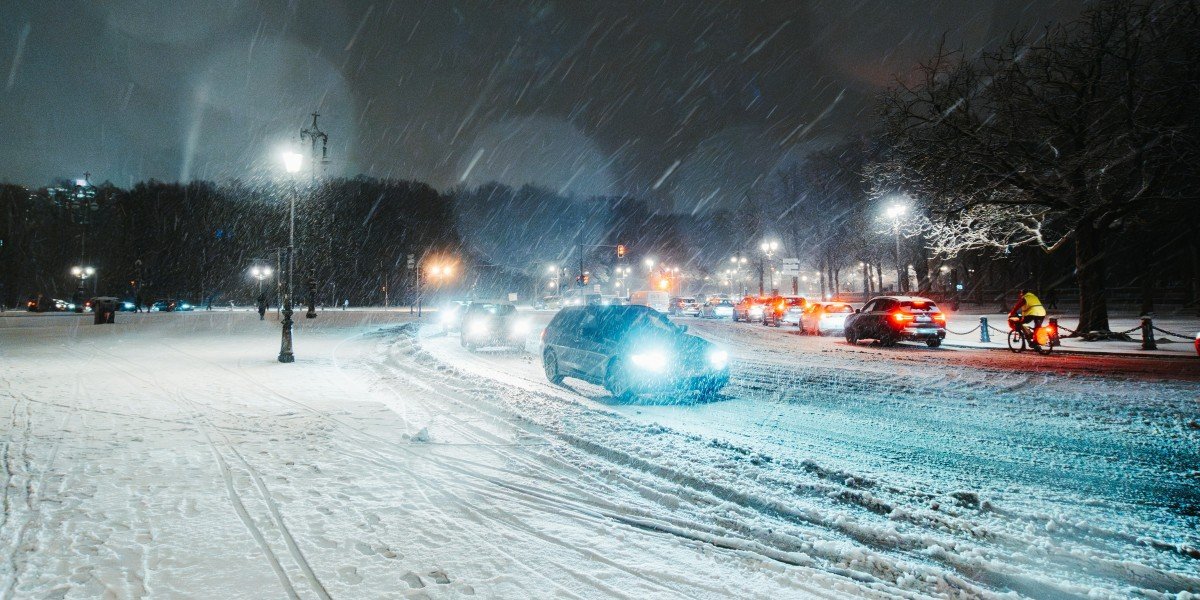
Photo Credit: Unsplash.com
As the moisture from the storm exits and the freezing air arrives, some parts of the region might see a brief change in precipitation. In the higher elevations of the North Georgia mountains, light snow flurries or sleet are possible on Monday afternoon and evening.
While no significant accumulation is expected in the Atlanta metro area, some residents might see a few “white grains” or light flakes mixed with the remaining rain showers. State transportation officials are monitoring bridges and overpasses in the northernmost counties for any signs of icing, though the ground remains relatively warm from recent mild days, which should limit road hazards.
Safety Precautions for the Freeze
With temperatures dropping into the 20s, officials are urging residents to take the “Four P’s” of winter safety seriously:
-
People: Check on neighbors, especially the elderly, to ensure they have working heat.
-
Pets: Bring all outdoor animals inside or provide a warm, insulated shelter.
-
Plants: Cover sensitive vegetation or bring potted plants indoors.
-
Pipes: Wrap exposed outdoor pipes and allow indoor faucets to drip to prevent freezing.
The Wind Advisory remains in effect until Monday evening. Strong northwesterly winds will continue to pull cold air into the region, which could cause further power outages if weakened tree limbs fall onto lines.
Tuesday will remain cold and breezy, with plenty of sunshine but high temperatures only reaching the upper 40s. This is significantly below the typical mid-March average of 64°F. The “unseasonably cold” trend is expected to last through Wednesday morning, after which the region will slowly begin to warm up.
By Thursday, temperatures should return to the 60s, providing a break from the winter-like conditions. However, the early-week storm serves as a reminder of how quickly weather patterns can shift during the transition from winter to spring.
“The atmospheric energy we saw this morning is exactly what we expect during March,” noted emergency coordinator Mark Stevens. “The key is staying informed. The transition from a tornado watch to a freeze warning requires two very different types of preparation in a very short window of time.”