
A finished manuscript is not a finished book. Between the last line an author writes and the moment a reader buys a copy sits a long stretch of specialized work. Editing, design, file preparation, platform setup, distribution, promotion. Writers who try to handle all of it alone often stall somewhere in the middle. That gap is what professional book publishing services are built to cover.
Where a Book Project Begins
Some authors arrive with a complete draft. Others arrive with a folder of notes, a set of recorded interviews, or an idea they have carried for years. Both are valid starting points, and they call for different support.
USA Book Publishing Company works across both. The company begins by assessing what exists, what the author wants the book to do, and which services the project actually needs. A polished manuscript may need only editing and design. A concept with no pages yet needs development and writing support before anything else moves.
Ghostwriting for Writers With Material but No Manuscript
Ghostwriting is widely misunderstood. It does not replace the author. It gives a person with something worth saying a professional writer to shape the saying of it.
The process runs on interviews and collaboration. A ghostwriter draws out the material, organizes it into a structure, and writes in the author’s voice. The author reviews, corrects, and approves. Ownership and credit stay with the author throughout.
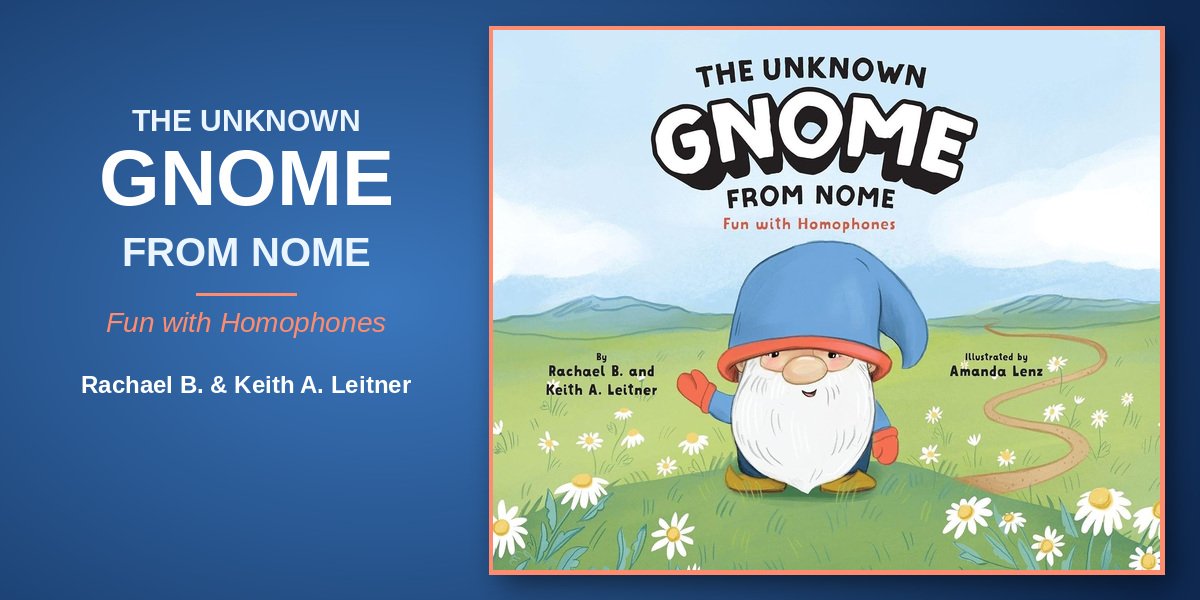
This works across genres. Memoirs and autobiographies rely on it heavily, because people who have lived remarkable lives rarely also happen to be trained writers. Business and self-help authors use it to convert years of practice into a usable framework. Fiction and children’s authors use it to develop ideas they can picture clearly but struggle to put on the page.
Why Editing and Proofreading Decide Reader Trust
Readers notice errors before they notice anything else. A typo on page two undermines the authority of everything on page two hundred.
Professional editing operates on several levels. Developmental editing addresses structure, pacing, and whether the argument or story holds together. Line editing sharpens sentences. Copy editing enforces consistency in grammar, spelling, and style. Proofreading catches what survived the earlier passes.
Each layer exists for a reason, and skipping them shows. Experienced editors also protect the author’s voice while correcting the writing, which is the part most authors worry about and the part that separates professional editing from heavy-handed rewriting.
Design, Formatting, and Illustration
Cover design does a job most authors underestimate. It communicates genre, quality, and tone before a reader reads a single word, and it has to do this as a small thumbnail on a retail page. Custom design built around the genre and intended audience performs differently than a template.
Interior formatting handles readability. Margins, typography, chapter openings, and page flow determine whether a book feels professionally produced. Print and digital editions need separate preparation, because a layout that works on paper does not automatically work on a Kindle screen. Illustration adds another dimension for children’s books, memoirs with visual elements, and nonfiction that benefits from diagrams or art.
Publishing Formats and Self-Publishing Options
Authors can publish in paperback, hardcover, and eBook formats, and many release all three. Each requires its own file specifications, cover dimensions, and pricing considerations. Choosing distribution channels matters as much as choosing a platform. Where a book is available shapes who can find it.
Self-publishing platforms have changed what independent authors can reach. Amazon Kindle Direct Publishing gives writers direct access to a global retail audience, but the setup involves metadata, category selection, keyword choices, file compliance, and pricing strategy. USA Book Publishing Company handles KDP preparation and setup, along with distribution planning for wider print and digital availability.
Marketing, Audiobooks, and Author Presence
Publication is the point where most independent books go quiet. Visibility has to be built. Book marketing covers promotional strategy, author branding, reader outreach, and launch planning. An author website gives readers, event organizers, and journalists a reliable place to find the work. Video book trailers give authors shareable content for social platforms.
Audiobook production opens a format with its own audience of listeners who rarely read print. Narration, recording, editing, and distribution turn an existing manuscript into a second product with no new writing required.
Working With a Publishing Partner
The practical value of a full-service publisher is coordination. One team carrying a project from manuscript through production and launch keeps decisions consistent and saves the author from assembling a freelance crew for every stage. USA Book Publishing Company structures its work around what each project needs, with the author involved in the decisions throughout.