
For generations, the idea that great art requires personal anguish has been deeply ingrained in cultural narratives. The image of the tortured artist—struggling with inner demons, poverty, or emotional instability—has been romanticized in literature, film, and even art history. But this myth does more harm than good, suggesting that creativity must come at the cost of well-being. Recent perspectives challenge this notion, arguing that meaningful work can—and often does—come from a place of stability, routine, and even joy. A healthier approach to creativity not only sustains artists longer but also allows for more consistent and fulfilling work.
The Origins of the Tormented Artist Myth
The association between suffering and creativity has roots in historical and cultural storytelling. Many famous artists from the past did indeed face mental health struggles, addiction, or turbulent lives, and their biographies often emphasize these hardships over their creative processes. Over time, these stories became templates, reinforcing the belief that pain was a necessary ingredient for profound art. Literary movements like Romanticism further glamorized emotional turmoil, portraying artists as tragic figures whose genius came at a personal cost.
Psychological research, however, tells a different story. While some studies have explored links between creativity and mood disorders, they don’t prove that suffering causes great art—only that some artists happen to experience both. In fact, chronic stress, anxiety, or depression often hinder rather than fuel creativity. The myth persists partly because dramatic struggles make for compelling narratives, overshadowing the many artists who produce meaningful work without being consumed by anguish.
Another factor in this stereotype is the misconception that creativity is an erratic, uncontrollable force—something that strikes only in moments of emotional intensity. In reality, most professional artists rely on discipline, routine, and steady effort rather than waiting for inspiration to strike in a burst of torment. The idea that suffering is necessary can discourage emerging creators who don’t fit the “tortured” mold, making them question whether their work is valid if it comes from a stable, balanced life.
A Healthier Approach to Creativity

Photo Credit: Unsplash.com
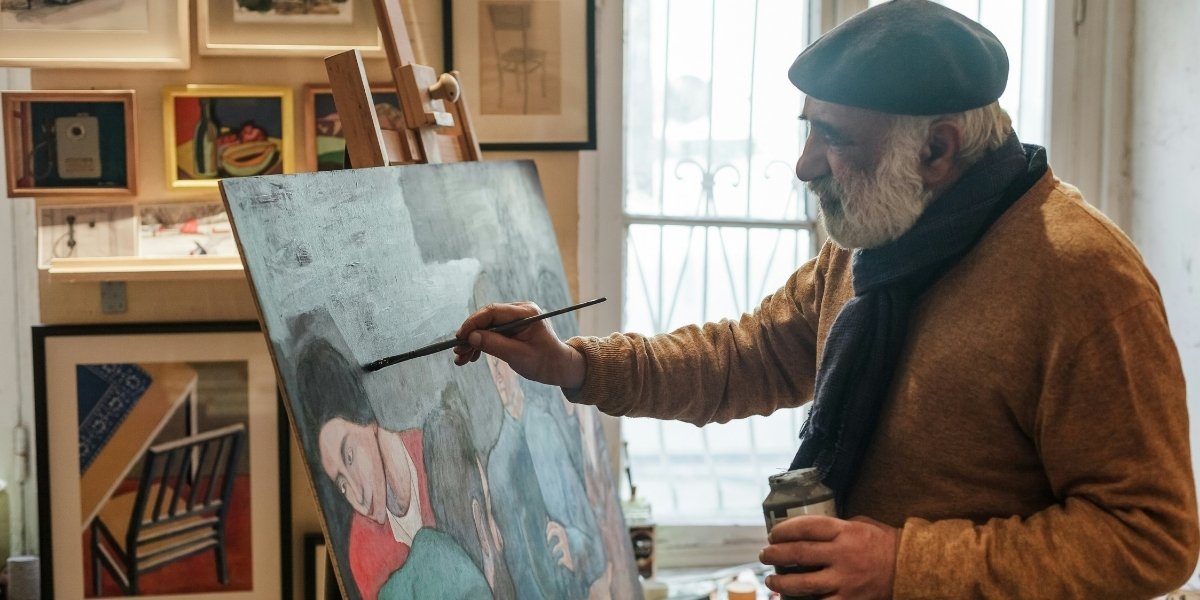
Letting go of the tormented artist myth opens the door to more sustainable creative practices. Many artists find that their best work emerges not from chaos but from consistency—showing up regularly, cultivating curiosity, and allowing ideas to develop over time. A balanced lifestyle, with proper rest, social connections, and emotional well-being, often supports creativity more reliably than turmoil does.
One key shift is viewing creativity as a skill that can be nurtured rather than a mystical force tied to suffering. Just as athletes train their bodies, artists can develop habits that foster their craft without relying on emotional extremes. Techniques like freewriting, scheduled studio time, or collaborative projects help maintain momentum without waiting for “the right mood.” Some creators even find that their most original ideas come when they feel relaxed and open, not when they’re emotionally drained.
Community also plays a crucial role in sustainable creativity. The stereotype of the isolated, brooding artist ignores how much collaboration and exchange fuel innovation. Many thriving creative circles operate on mutual support, feedback, and shared inspiration—far from the lonely, anguished figure of myth. When artists feel connected rather than alienated, they’re more likely to take creative risks and persist through challenges.
Why Stability Is the New Muse for Modern Creatives
Financial and practical stability shouldn’t be overlooked either. The romanticized notion of the “starving artist” suggests that financial struggle is noble or even necessary for authenticity. In reality, financial stress can stifle creativity by forcing artists to divert energy into survival rather than exploration. Stable support systems—whether through day jobs, grants, or sustainable business models—allow for more focused and intentional work.
Ultimately, debunking the tormented artist myth benefits both creators and audiences. When artists aren’t pressured to glamorize or endure suffering for their craft, they can develop longer, more fulfilling careers. Audiences, too, gain a broader understanding of creativity—one that includes joy, curiosity, and resilience alongside the full range of human emotion. Art has always been diverse in its origins, and acknowledging that it can come from stability as much as struggle only enriches the cultural conversation.
The next generation of artists might redefine creativity even further, prioritizing sustainability, self-care, and collaborative growth over outdated stereotypes. The goal isn’t to dismiss the real challenges artists face but to reject the idea that those challenges are prerequisites for meaningful work. Creativity thrives in many environments—and a healthy, balanced approach might just be the most revolutionary of all.