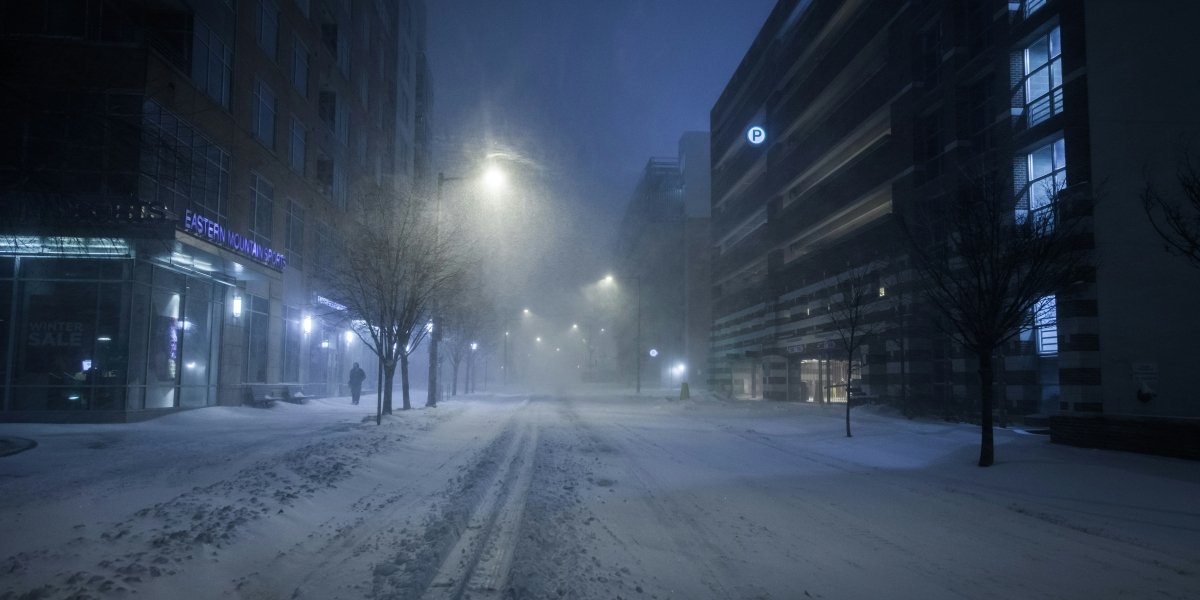

ATLANTA — After a stretch of unusually cold temperatures and winter storm impacts across the Southeast, Atlanta is seeing a transition toward more seasonal weather — but not before record departures from normal and lingering chilly conditions that have affected schools, travel, and daily life.
The National Weather Service (NWS) reported that on Feb. 1, 2026, Atlanta experienced a dramatic fluctuation in temperatures with a high of 37 °F, well below normal, and a low of 16 °F, significantly colder than typical readings for the date. According to the official climate summary, the average temperature for the day was roughly 19 °F below normal, underlining just how pronounced the cold was in the metro area.
Winter Storm Aftereffects Still Felt
This cold followed a January 30–February 1 winter storm — characterized as a strong “bomb cyclone” by meteorologists — that brought rare snowfall and arctic air to much of the Southeast and extended well into the Carolinas and Tennessee. The system was tracked by the U.S. National Weather Service and prompted a series of state emergency declarations in Georgia and neighboring states.
While Atlanta itself did not record exceptional snowfall totals compared with northern regions, the city and surrounding counties saw lingering effects such as road delays, school schedule changes, and frozen infrastructure reports. Some north Georgia districts modified their school schedules due to residual snow and dangerously cold conditions lingering into the week.
Forecast Transition: Seasonal Warmup Ahead
By Monday evening, local weather reporting showed a marked shift away from the harshest cold toward more typical winter conditions. Atlanta News First meteorologist Isaac Williams noted that after a chilly start to the day, “highs will reach into the 50s this afternoon,” signaling a return to more moderate temperatures for the region.
According to the NWS forecast for the Atlanta area, chillier temperatures are expected to persist early in the week, but no additional wintry precipitation is in the immediate forecast. A front moving through the region could bring widespread light rain between Tuesday night and Wednesday, a sign of the seasonal transition.
Safety and Civic Impacts
Though the worst of the arctic blast has passed, the community is reminded of the logistical and safety impacts of such rare cold events in the Southeast, especially in a city unaccustomed to prolonged sub-freezing temperatures.
Local school districts’ adjustments to schedules reflect ongoing cautiousness, and residents are advised to remain aware of changing conditions, particularly over elevated roadways and bridges where overnight frost can persist.
As Atlanta moves closer to typical February weather patterns — with highs likely climbing well above freezing — the recent stretch of cold serves as a reminder of how dynamic winter weather can be in the region when southern clear air interacts with strong arctic intrusions.