
By Lennard James
Every music city has people behind the scenes who help determine what the world eventually hears. They recognize talent before the spotlight arrives, understand audiences before trends become obvious and create platforms that allow artists to move from neighborhood recognition to broader success. When it comes to Memphis and its unmistakable contribution to hip-hop culture, Devin Steel belongs in that conversation.
Simply put, you cannot talk about Memphis hip-hop without talking about Devin Steel.
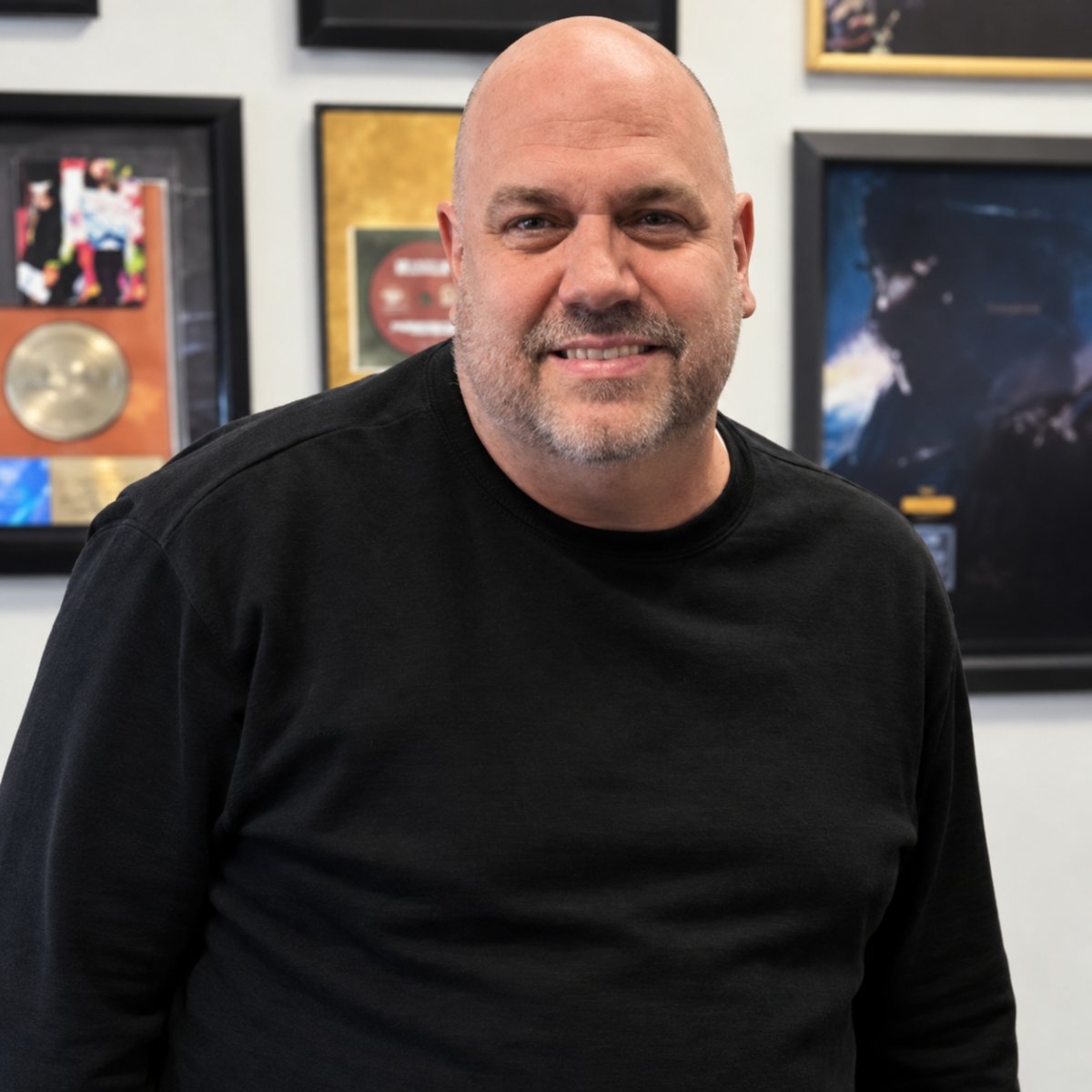
For more than 30 years, Steel has built a career in Urban and Hip-Hop radio as a DJ, on-air personality, programmer and executive. His journey has taken him from college radio to leadership positions at major stations, but Memphis remains an essential part of his professional story.
Steel spent nearly two decades at K97 (WHRK-FM) in Memphis, where he served in several significant capacities, including afternoon host, Program Director and eventually Senior Vice President of Programming for iHeartMedia’s Memphis cluster and Delta Region. Those years placed him at the intersection of radio, music, artists and the culture of a city whose influence on hip-hop would eventually reach around the world. Memphis has always had its own sound.
Long before the current generation of Memphis artists achieved national and international recognition, the city was developing a musical identity built around distinctive production, unapologetic storytelling, street culture, Southern rhythm and authenticity. Radio played an important role in connecting that music to audiences, and Steel became one of the professionals who helped make those connections.
His importance was never limited to sitting behind a microphone.
Programming a major urban radio station requires understanding far more than music. It requires knowing the audience, recognizing emerging trends, evaluating records, developing personalities and maintaining a station’s relationship with the community it serves. A successful programmer has to understand what listeners want today while developing an instinct for what they may want tomorrow.
Steel developed that instinct over decades.
As Memphis hip-hop grew, so did his reputation as someone who understood both the business and the culture. He became a familiar figure to artists, DJs, executives and aspiring entertainment professionals trying to understand how records moved from studios and clubs into radio rotation and larger markets.
His influence also came through mentorship.
The music business can appear glamorous from the outside, but behind every successful artist, DJ or personality are countless lessons about preparation, relationships, professionalism and consistency. Steel has earned respect for sharing his experience and helping emerging talent better understand those realities.
That willingness to develop people may ultimately be as important as any playlist he programmed.
A great programmer can help create a successful station. A great mentor can help create an entire generation of professionals.
Steel’s career has also demonstrated his ability to evolve.
Radio has undergone enormous transformation during his three decades in the industry. Traditional broadcasting has been challenged by streaming services, podcasts, social media, digital platforms and dramatic changes in how audiences discover music. The days when listeners depended exclusively on radio to hear a new record are gone.
Yet radio still possesses something algorithms cannot fully reproduce: a connection to the personality and culture of a city.
Steel understands that relationship.
For Memphis, radio has historically been more than entertainment. It has been a community gathering place. The voices coming through the speakers become familiar. DJs introduce records, promote events, recognize local accomplishments and provide artists with opportunities to connect directly with their hometown.
Steel spent years helping shape that experience.
His professional journey has now brought him to Atlanta, another city with an extraordinary hip-hop legacy. In 2026, Steel became Program Director of Hot 107.9 (WHTA), placing his decades of experience behind one of Atlanta’s prominent urban radio brands.
The move represents another chapter in a career built on understanding audiences, developing talent and recognizing the relationship between radio and culture.
Steel’s programming philosophy has emphasized listening to the audience rather than simply following industry assumptions. He has also spoken about the importance of personal relationships and face-to-face networking in a business increasingly dominated by emails, social media messages and digital communication.
That philosophy makes sense for someone whose career was developed during an era when relationships were essential currency in the entertainment industry.
Technology changes. Platforms change. Formats change.
Relationships still matter.
Steel’s career is evidence of that.
His journey from college radio to Memphis, from on-air personality to senior programming executive and now to leadership in Atlanta demonstrates both longevity and adaptability. Remaining relevant for more than three decades in an industry that constantly reinvents itself requires more than talent. It requires discipline, curiosity and the willingness to evolve.
But regardless of where his career takes him, Memphis remains an important chapter in the Devin Steel story, and Devin Steel remains an important chapter in the story of Memphis music.
The city’s modern hip-hop history is filled with artists, producers, DJs, executives, promoters, radio personalities and cultural tastemakers who collectively helped create a movement. Steel was positioned in the middle of that ecosystem during an important period of its development.
He heard the records.
He knew the artists.
He understood the audience.
And he helped provide a platform where music and community could meet.
Today, a younger generation of artists can release a song online and potentially reach millions of people almost immediately. But the infrastructure that helped establish Memphis as a nationally recognized hip-hop city was built over decades by people who believed in the city’s sound before the rest of the country fully understood its significance.
Devin Steel is one of those people.
His story represents more than radio. It represents longevity, relationships, mentorship and an understanding of culture that cannot be manufactured.
After more than 30 years in the industry, Steel continues to influence what audiences hear while helping develop the people responsible for what comes next.
You simply cannot mention Memphis hip-hop without mentioning Devin Steel. His fingerprints are on an important era of the city’s musical journey, and as his career continues in Atlanta, the influence of those Memphis years travels with him.